
Quartz worktops in the UK typically cost between £250–£600 per m² installed, depending on thickness, colour, and kitchen layout.
Here’s what actually matters when choosing one:
- 20mm vs 30mm thickness affects both price and visual weight
- Lighter colours can make smaller kitchens feel noticeably bigger
- Installation time varies — most suppliers take 2–3 weeks
- Quartz is non-porous, meaning it resists stains and doesn’t need sealing
- Final cost depends heavily on cut-outs, edges, and layout complexity
If you’re comparing options, the biggest mistake is focusing only on price — the real value comes from how the worktop fits your kitchen and how long it lasts.
What Are Quartz Worktops (And Why They’ve Taken Over UK Kitchens)
Quartz worktops are made from roughly 90–95% natural quartz mixed with resins and pigments, which gives them a consistent finish and strong durability.
But from actual installs, what people really care about is simple:
- No sealing required
- Very resistant to stains
- Consistent colour across the slab
In over 200 installations we’ve handled, the main reason customers switch to quartz isn’t just looks — it’s because they’re tired of surfaces that need constant care.
If you want the full breakdown of durability, see:
👉 “Do quartz worktops stain, scratch or crack over time?”
How Much Do Quartz Worktops Cost in the UK?
From real quotes we’ve given this year:
- Small kitchens (L-shape): typically £1,800 – £2,800
- Medium kitchens: £2,500 – £4,000
- Larger or island kitchens: £4,000+
Per m², that usually sits around:
- £250–£350 (basic ranges)
- £350–£500 (most common choices)
- £500–£600+ (premium designs)
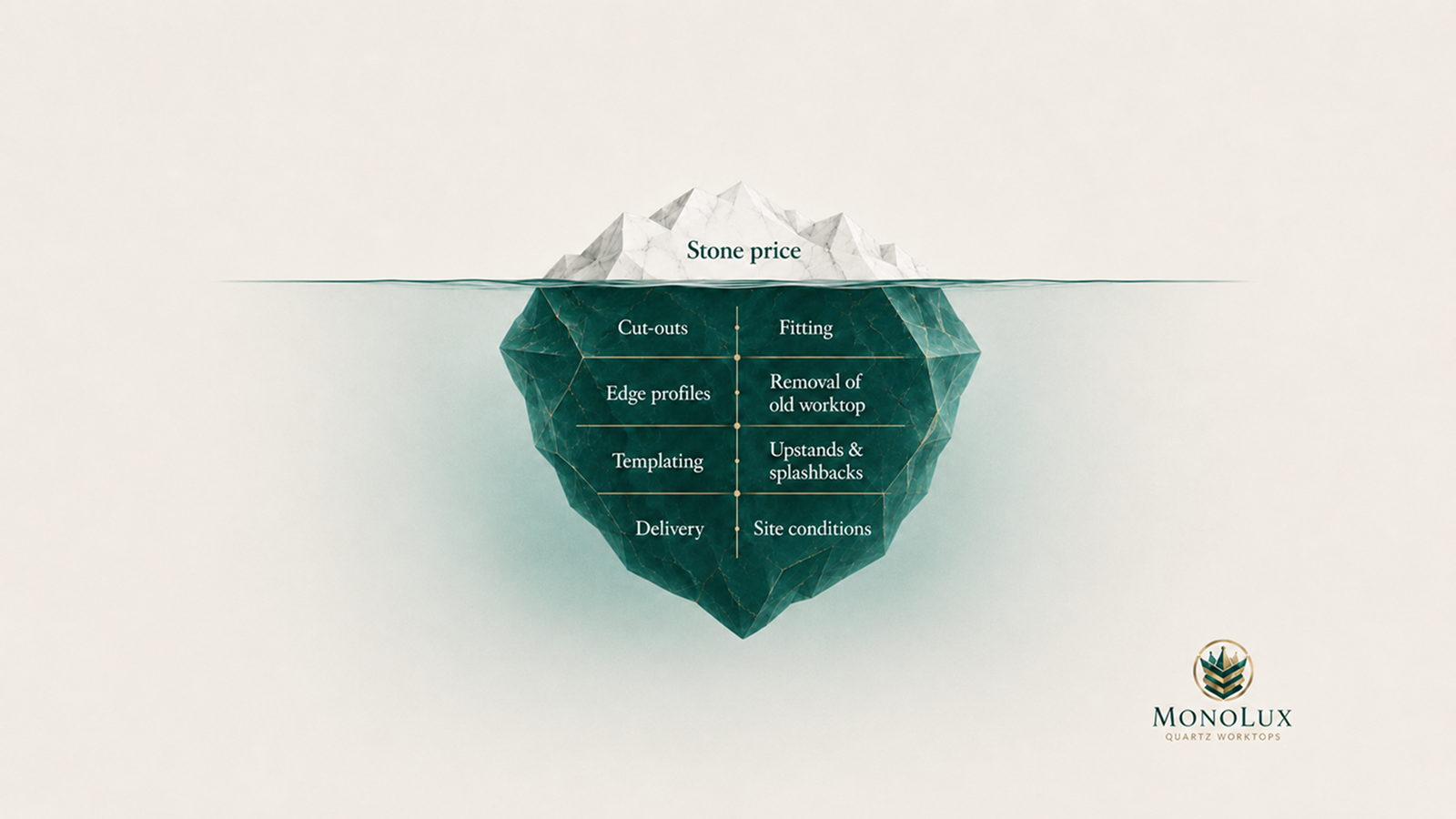
Those average figures only tell part of the story, though. Quartz worktop prices in the UK can change significantly depending on the colour, thickness, edge profile, cut-outs, and overall kitchen layout. If you want a clearer breakdown of real installation costs, extras, and what actually affects the final quote, see our guide to quartz worktop costs in the UK.
Where people get caught out is extras:
- Hob & sink cut-outs
- Upstands and splashbacks
- Edge detailing
- Awkward layouts (more joins)
For a full breakdown of what adds cost:
👉 “hidden costs to watch out for when buying a quartz kitchen worktop”
Why Our Quartz Worktops Are Up to 50% Cheaper
Quartz worktops across the UK can vary a lot in price — but what matters is how that price is built.
At Monolux Worktop, we’ve structured things differently to keep costs down without cutting quality:
- We hold our own quartz stock, so there’s no middle supplier markup
- We focus purely on kitchen worktops, which keeps operations efficient
- We supply direct to customers, instead of adding showroom commissions
Because of this setup, our quotes often come in up to 50% lower than typical high street options — even for the same style and finish. Many customers are surprised by how much they can save compared to traditional kitchen showrooms. Why Our Quartz Worktops Are Up to 50% Cheaper Than High Street Showrooms explains exactly what makes the difference.
It’s not about cheaper material. It’s about removing unnecessary cost from the process.
How to Choose the Right Quartz Worktop for Your Kitchen
This is where most guides stay vague, but in reality, your choice usually comes down to 3 things:
Kitchen Size
- Small kitchens → lighter colours + 20mm thickness
- Large kitchens → can handle darker tones and 30mm
If space is tight, see:
👉 “guide to choosing the best quartz worktops for small kitchens”
How You Use Your Kitchen
- Heavy cooking → go for subtle patterns (less visible marks)
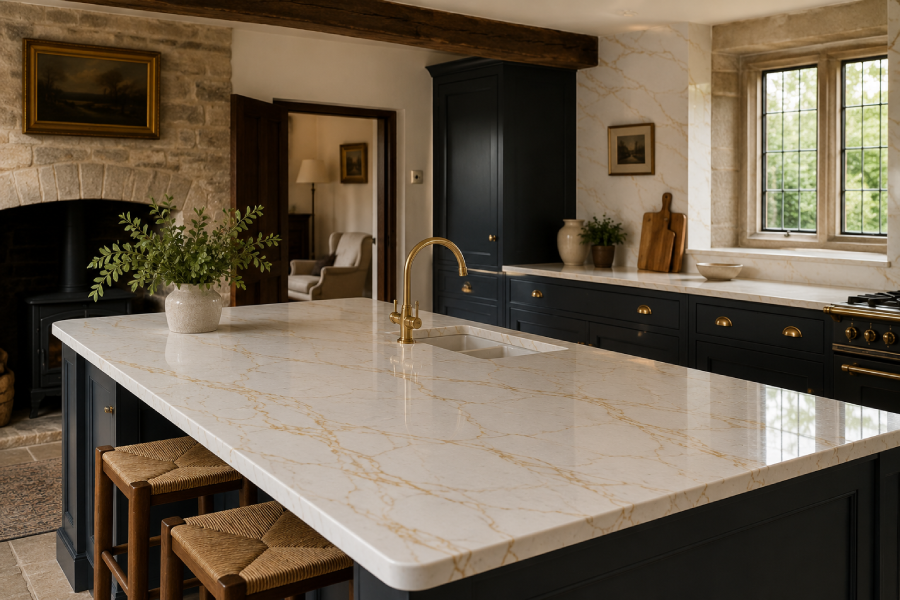
- Show kitchens → veined quartz for visual impact
Budget vs Visual Impact
- Want clean and simple → standard white or grey quartz
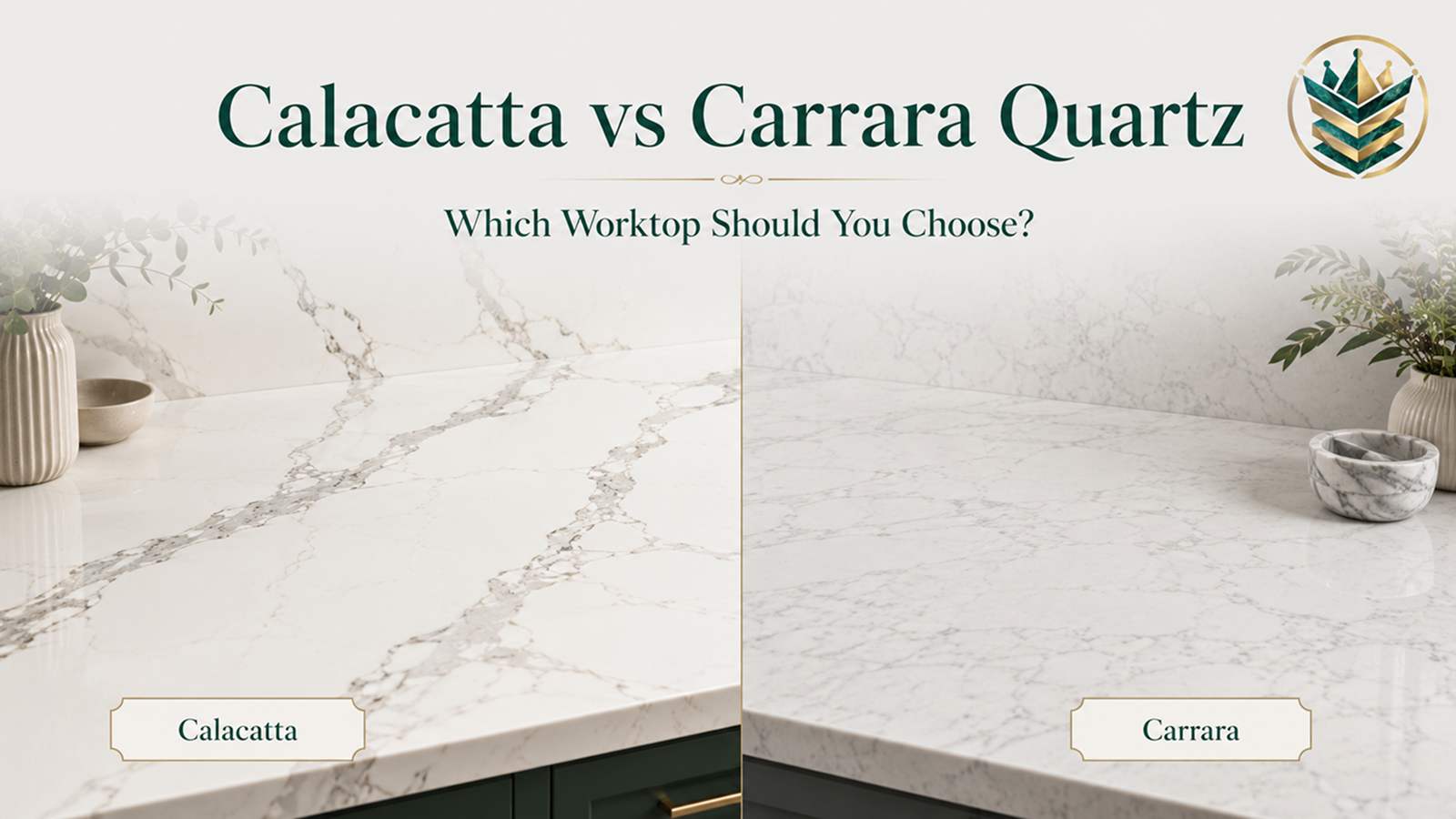
- Want a statement → Calacatta-style veining
Most customers don’t need the most expensive option — they just need the right one for their layout. If you’re still at the early stage and weighing up different materials before narrowing things down, it’s worth understanding the bigger picture first. We’ve covered that in our “different types of countertops explained”, which gives a clearer overview of how each option compares before you commit to quartz.
Thickness Matters More Than You Think (20mm vs 30mm)
A lot of customers assume thicker = better. Not always.
From real installs:
20mm quartz worktops:
- Cleaner, more modern look
- Makes smaller kitchens feel less bulky
- Slightly more cost-effective
30mm quartz worktops:
- Feels more traditional and solid
- Works better in large, open kitchens
If you’re unsure, see:
👉 “20mm vs 30mm quartz worktop price and quality comparison”
Choosing the Right Colour (What Actually Works in Real Homes)
Trends are one thing — real kitchens are another.
From what we install most:
- White / Carrara styles → make kitchens feel brighter
- Soft greys → easiest to live with long-term
- Veined quartz → popular but needs balance
One thing people often underestimate:
Busy patterns can make small kitchens feel cluttered.
For current trends and combinations:
👉 “The 5 most popular quartz worktop colours in the UK right now”
👉 “best quartz worktop colours to match navy blue kitchen cabinets”
If you’re also thinking about what’s currently popular (and what’s starting to phase out), it’s worth looking at the bigger picture. We’ve covered that in our “kitchen worktop trends 2025 and 2026”, including the colours and styles we’re seeing most in real installations.
Common Mistakes to Avoid When Buying Quartz Worktops
This is where most people lose money or regret their choice:
- Choosing 30mm in a small kitchen → makes space feel tighter
- Going for cheap, unknown brands → inconsistent finish
- Ignoring layout complexity → leads to surprise costs
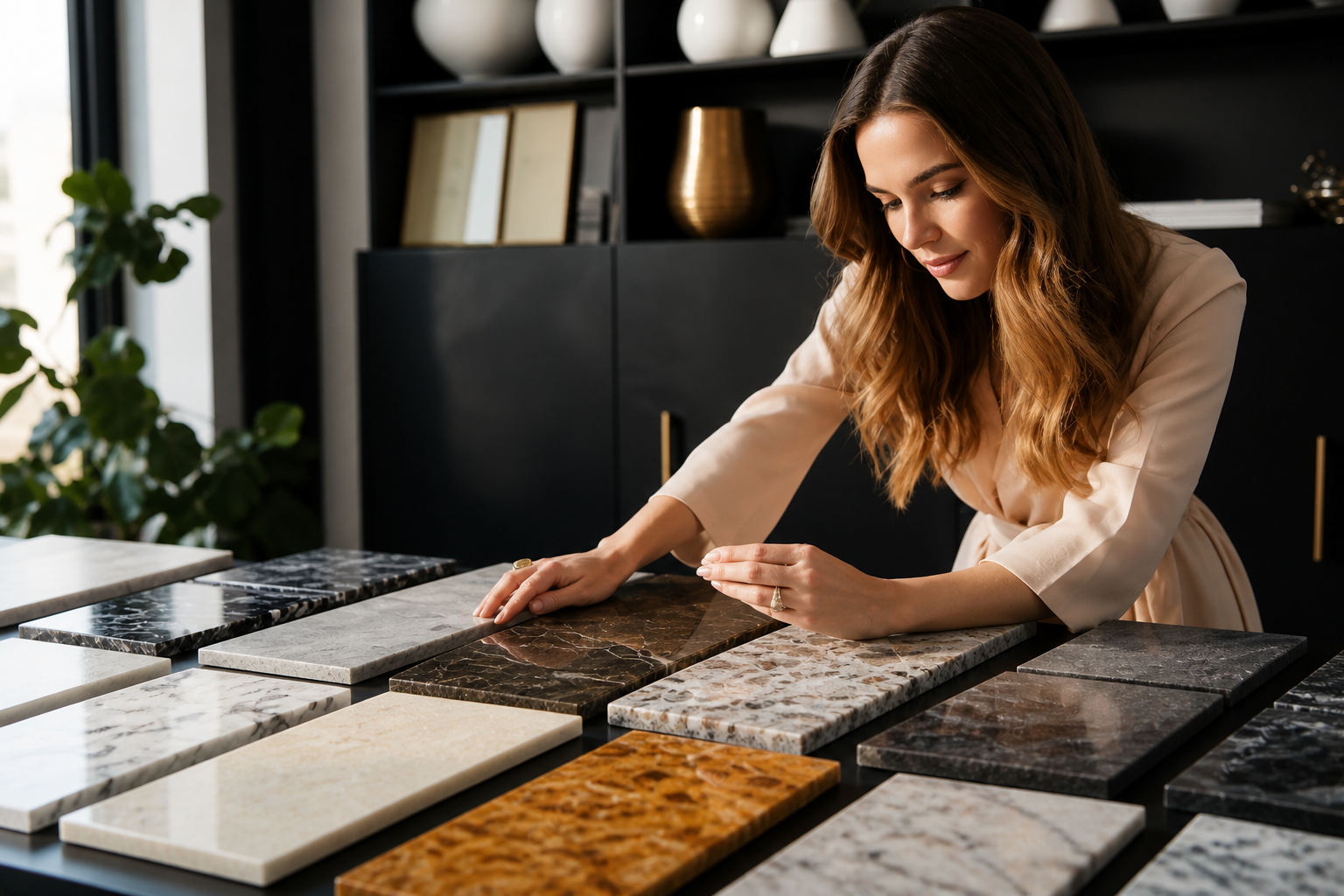
- Picking colour from a tiny sample only → looks different on a full slab
We see this regularly — especially with rushed decisions.
Quartz vs Other Worktop Materials (UK Comparison)
Even if you’re set on quartz, it’s worth understanding the difference:
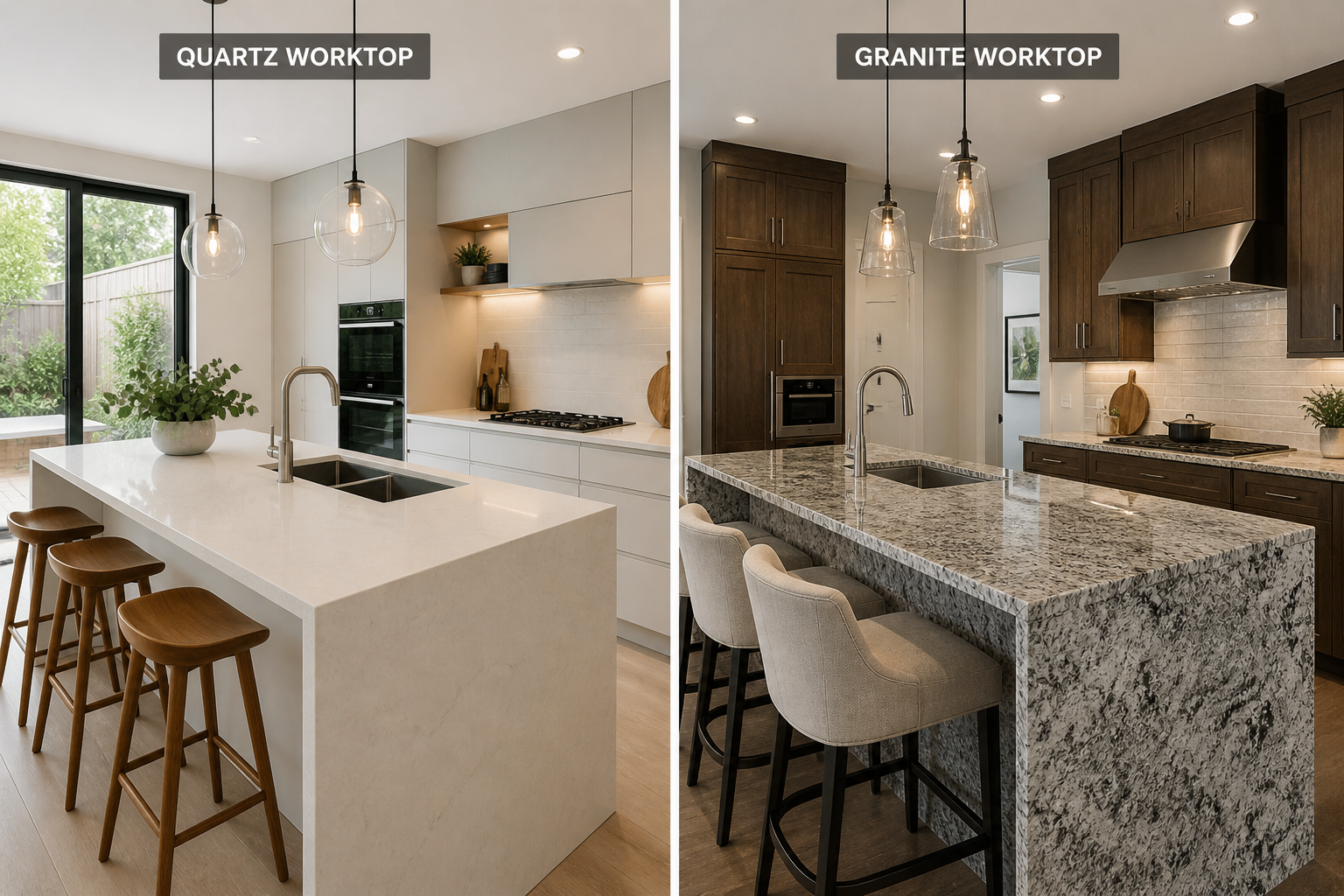
Quartz vs Granite
- Quartz = consistent, low maintenance
- Granite = natural, but needs sealing
If you’re deciding between the two from a practical point of view, maintenance is usually where the difference becomes obvious. We’ve compared both in more detail in our “granite vs quartz maintenance comparison”, including what’s easier to live with day to day.
In most UK homes, quartz ends up being the balance between looks and practicality.
Choosing Quartz Worktops for Compact Kitchen Layouts
In smaller kitchens, the goal is not just choosing a beautiful surface — it’s choosing one that improves how the entire space feels day to day.
Features such as oversized veining, bulky thicknesses, or very dark colours can sometimes make compact kitchens feel visually heavier. In many modern homes, lighter quartz surfaces with balanced patterns and slimmer profiles help create a cleaner and more open appearance overall.
If you are planning a smaller kitchen renovation, it’s worth understanding which quartz styles work best in tighter layouts and why certain colours perform better than others visually.
How Long Does Installation Take?
Most suppliers:
- Take 2–3 weeks after templating
- Rely on external fabrication
- Cause delays
At Monolux Worktop:
- We template quickly
- Fabricate in-house
- Complete installation in as little as 5 days
That speed alone solves one of the biggest problems in kitchen projects.
If you want the full process:
👉 “quartz worktop installation explained from preparation to installation day”
Do Quartz Worktops Stain, Scratch or Crack?
Short answer: very unlikely with normal use.
Quartz is:
- Non-porous
- Scratch-resistant
- Structurally stable
But avoid:
- Placing extremely hot pans directly
- Heavy impact on edges
For full care advice:
👉 “How to clean and maintain quartz worktops: the complete guide”
If you’re still comparing different materials and want a broader view beyond quartz, it’s worth looking at how other surfaces perform over time. We’ve broken that down in more detail in our “What Type of Countertop is Most Durable: A Guide to Lasting Countertops“, where we compare durability across the most common options used in UK kitchens.
Is Quartz Worth It for Your Kitchen?
If you want something that:
- Looks clean
- Doesn’t need maintenance
- Lasts years without issues
Quartz is one of the safest choices. The real difference comes down to supplier, installation, and pricing transparency.
Check Your Price (Real Quote, Not Estimates)
Every kitchen is different. One thing that makes our process different is how quickly you can actually get a price. Instead of waiting hours (or sometimes days) for a quote, you can use our online tool to get an instant estimate by entering a few simple details from your kitchen plan. It’s designed to give you a clear idea of cost straight away, without the usual back-and-forth.
To get a real price based on your layout:
👉 kitchen worktop quote
Common Questions About Quartz Worktops in the UK
- How long do quartz worktops last?
Typically, 15–25+ years with proper use. - Are quartz worktops better than granite?
They’re more consistent and require less maintenance. - Can quartz handle heat?
Yes, but always use protection for very hot pans. - Do quartz worktops add value?
They improve kitchen appeal and can support resale.