

White quartz worktops remain one of the most popular surfaces in modern kitchens because they combine durability, low maintenance, and a bright, timeless appearance. Whether you’re exploring different White Quartz Colours or comparing materials for a renovation, one concern appears repeatedly:
Can white quartz turn yellow over time?
The short answer is yes — but only under specific conditions.
High-quality quartz is designed to remain stable for many years. Most yellowing issues are linked to external factors rather than natural ageing. In everyday kitchens, discolouration is usually caused by:
- prolonged UV exposure
- harsh cleaning chemicals
- excessive direct heat
- lower-quality resin systems
- poor maintenance habits
When properly cared for, premium white quartz can maintain its original appearance for many years without noticeable colour change.
What Causes White Quartz to Turn Yellow?
Many people assume quartz naturally yellows with age.
In reality, high-quality quartz is remarkably colour stable. Most discolouration occurs when external factors gradually affect the resin binders used during manufacturing.
The most common causes include:
- direct sunlight
- aggressive chemical cleaners
- excessive heat exposure
- lower-grade quartz materials
Understanding these causes is often the easiest way to prevent long-term problems.
If you’re looking for a broader overview of maintenance, design options, and performance, our complete white quartz worktop guide covering maintenance, colours, and long-term performance explains everything you need to know before choosing a surface.

Can Sunlight Affect White Quartz?
Yes.
While quartz performs exceptionally well indoors, prolonged exposure to intense UV light can sometimes affect certain surfaces over time.
This is most relevant in kitchens with:
- roof lanterns
- skylights
- bi-fold doors
- large glass extensions
- south-facing glazing
Premium quartz manufacturers use advanced UV-resistant resin systems that significantly reduce this risk.
However, lower-quality materials can occasionally develop:
- slight yellowing
- dull patches
- uneven colour changes
Interestingly, marble-inspired surfaces featured within Calacatta Quartz Colours can sometimes disguise subtle tonal variations more effectively because the natural veining breaks up the surface visually.
Which Cleaning Products Should You Avoid?
In many cases, cleaning products cause more damage than food or drink.
Quartz is durable, but it should never be treated like industrial stone.
Avoid:
- bleach
- oven cleaner
- paint thinner
- acetone
- strong alkaline cleaners
- abrasive scrubbing pads
- wire wool
Over time, these products can damage the resin binders and lead to:
- dull patches
- yellowing
- loss of shine
- uneven surface appearance
For more guidance on everyday marks, stains, and safe cleaning methods, see:
Can Heat Damage White Quartz?
Quartz is highly durable, but extreme heat remains one of its few vulnerabilities.
Although the natural quartz minerals themselves tolerate high temperatures, the resin binders can become damaged when exposed to excessive direct heat.
Potential issues include:
- scorch marks
- dull spots
- thermal shock
- localised yellowing
This is why fabricators continue recommending:
- trivets
- heat mats
- pan stands
especially near cooking zones and kitchen islands.
Some homeowners comparing white surfaces against options within Dark Quartz Colours choose darker designs because they can occasionally disguise minor heat-related marks more effectively. However, the same basic heat protection rules apply regardless of colour.
Why Slab Quality Matters More Than Most People Realise
Not all quartz surfaces are manufactured to the same standard.
The quality of the raw materials, resin systems, pigments, and manufacturing process all influence long-term performance.
Lower-grade quartz can be more susceptible to:
- yellowing
- fading
- resin degradation
- surface dullness
Higher-quality slabs are engineered using advanced manufacturing techniques designed to improve:
- colour stability
- UV resistance
- stain resistance
- durability
This is one reason many buyers eventually discover that the overall quartz worktop cost should be evaluated over the lifespan of the surface rather than simply comparing the initial purchase price.
Premium designs such as Ultra White, Miami White, and Ice White are frequently selected because they combine a bright appearance with the consistency and long-term durability expected from high-quality engineered quartz.
Is White Quartz Difficult to Maintain?
Not at all.
One reason white quartz remains so popular is that it delivers a rare combination of:
- low maintenance
- easy cleaning
- modern aesthetics
- long-term durability
without the sealing requirements associated with natural stone.
For most kitchens, regular care simply involves:
- warm water
- mild detergent
- a soft cloth
No specialist treatments are normally required.
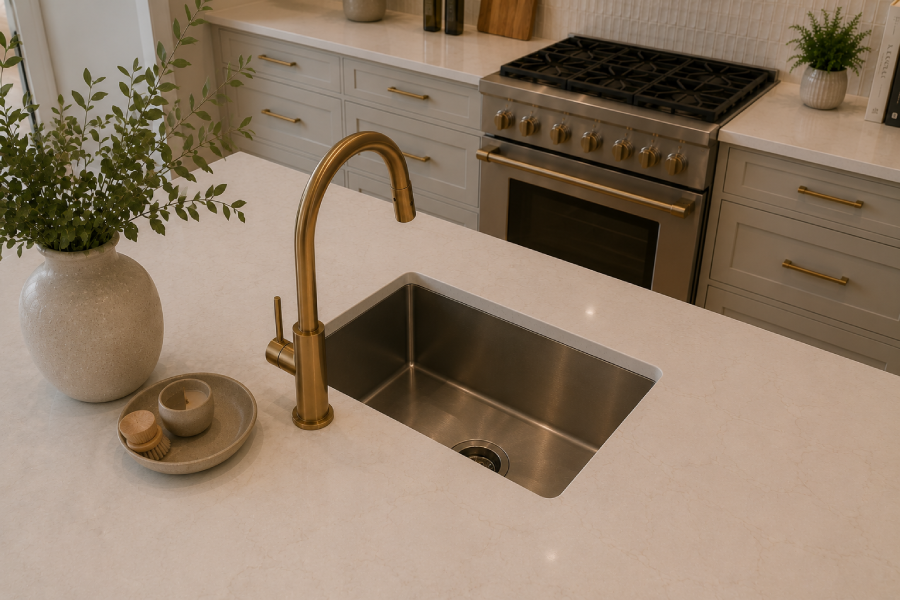
Does The Colour Pattern Affect How Yellowing Appears?
Not all white quartz surfaces show age-related changes in the same way.
Completely uniform white slabs tend to reveal:
- surface residue
- dust build-up
- minor discolouration
- cleaning marks
more quickly because there is very little visual variation across the surface.
By comparison, designs with gentle movement or subtle veining often disguise small imperfections more effectively. This does not make them more resistant to yellowing, but any slight tonal changes are usually less noticeable in everyday use.
Working With the Right Supplier
Material quality is only part of the equation.
Fabrication standards, installation quality, and slab selection all influence how a worktop performs over time.
Working with an experienced Quartz Worktop in the UK supplier can help ensure both the product and installation meet the standards required for long-term durability.
Final Thoughts
White quartz remains one of the most reliable and visually timeless kitchen surfaces available today.
Although yellowing can occur under specific conditions, it is rarely caused by normal daily use. Most issues stem from prolonged UV exposure, excessive heat, harsh chemicals, or lower-quality materials.
When a premium slab is combined with sensible care and professional installation, white quartz can maintain its appearance for many years while continuing to deliver the bright, clean aesthetic that makes it so popular.
If you are planning a renovation and comparing colours, finishes, and materials, requesting a kitchen worktop quote can help you identify the most suitable surface for your layout, budget, and design goals.
Frequently Asked Questions
- Does white quartz turn yellow naturally?
No. High-quality quartz does not usually yellow naturally with age. Most discolouration is linked to UV exposure, heat, chemicals, or lower-quality manufacturing. - Can sunlight damage white quartz?
In some situations, prolonged direct sunlight may gradually affect lower-quality quartz surfaces, particularly in rooms with extensive glazing. - Does bleach damage white quartz?
Yes. Bleach and other harsh chemicals can damage quartz resin and may contribute to yellowing or dull patches. - Can hot pans cause yellow marks?
Potentially. Extreme direct heat can damage the resin binders within quartz, leading to localised discolouration. - Is white quartz still a good long-term choice?
Absolutely. Premium white quartz remains one of the most practical, durable, and visually versatile worktop materials available today.